Established Excellence

Where Vision
Meets the
Horizon

Cedrus Group is a premier mixed-use real estate development firm crafting landmark communities where people live, work, and thrive — built on a foundation of design integrity, financial precision, and lasting impact.

Scroll
Residential Development Mixed-Use Communities Commercial Real Estate Urban Revitalization Sustainable Design Investment Advisory Portfolio Management Residential Development Mixed-Use Communities Commercial Real Estate Urban Revitalization Sustainable Design Investment Advisory Portfolio Management
$4.2B
Projects Under
Development
23+
Active
Projects
8K
Residential Units
in Development
100%
Project
Success
5,000
Acres in
Development
Our Story

Building Communities.
Defining Skylines.
Shaping Futures.

Founded with a singular conviction, that exceptional real estate is not merely constructed, it is carefully curated, Cedrus Group has grown into one of the most respected names in mixed-use development. We believe every project is an opportunity to elevate the human experience.

From thoughtfully designed urban residences to sweeping masterplanned communities, our portfolio reflects a relentless commitment to quality, context, and community. We bring together the finest architects, engineers, and craftspeople to create developments that stand the test of time.

At Cedrus Group, we don't just build buildings. We build the settings for life's most meaningful moments, where families grow, careers flourish, and neighborhoods become beloved for generations.

Design Integrity

Every detail considered, every space purposeful

Community First

Built around the lives of the people within

Financial Discipline

Delivering value through precision and trust

Enduring Legacy

Projects built to outlast and inspire

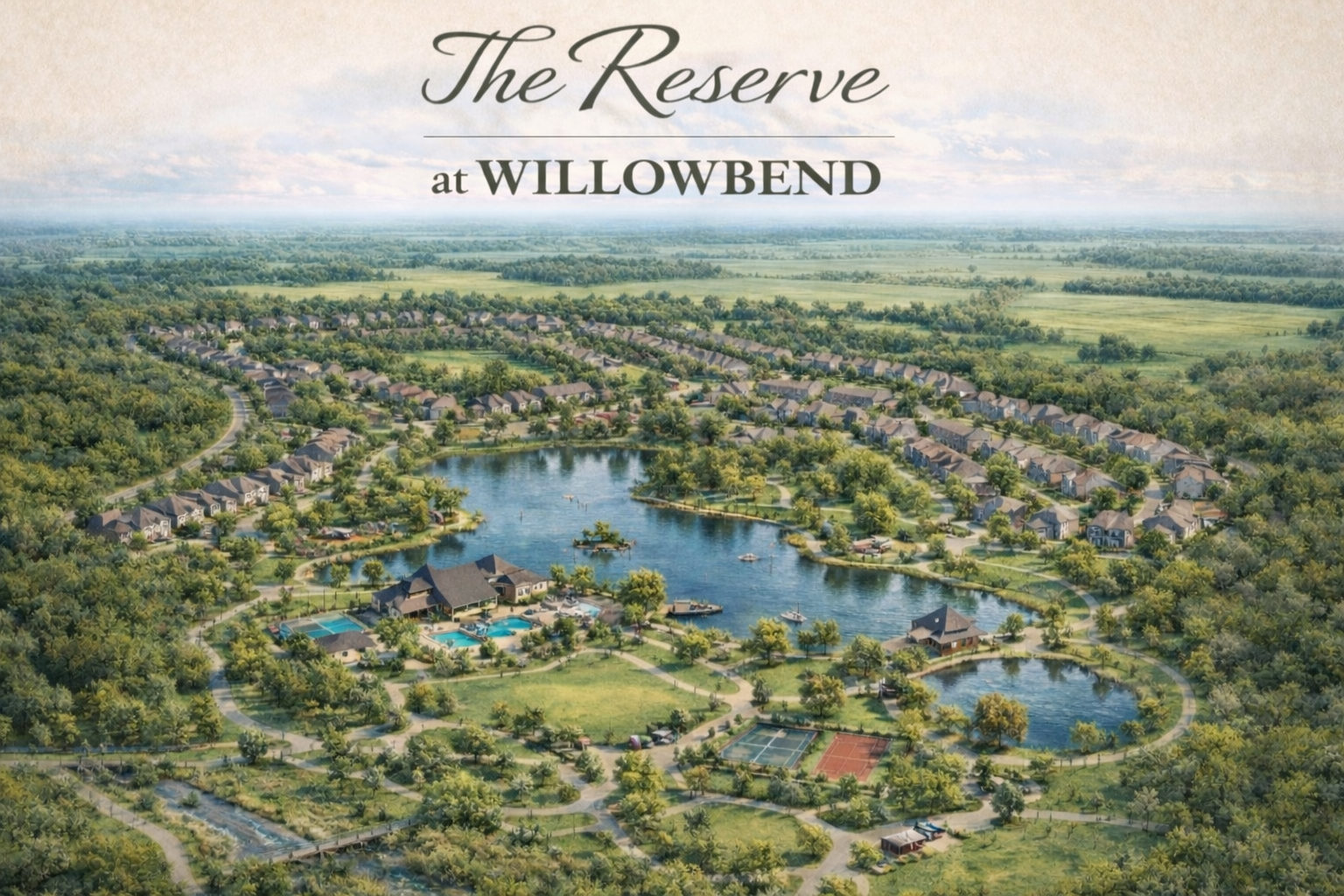
Cedrus Group Development The Reserve at Willowbend
Uncompromising
Excellence
What We Do

A Full-Spectrum
Development Partner

From concept to completion and beyond, Cedrus Group offers an integrated suite of services that spans every phase of the real estate lifecycle.

01
🏙
Mixed-Use Development

We master-plan and develop vibrant mixed-use environments that seamlessly blend residential, retail, office, and hospitality uses into cohesive, walkable destinations.

  • Master planning & land assembly
  • Zoning strategy & entitlements
  • Vertical mixed-use towers
  • Transit-oriented development
  • Placemaking & amenity design
02
🏡
Residential Communities

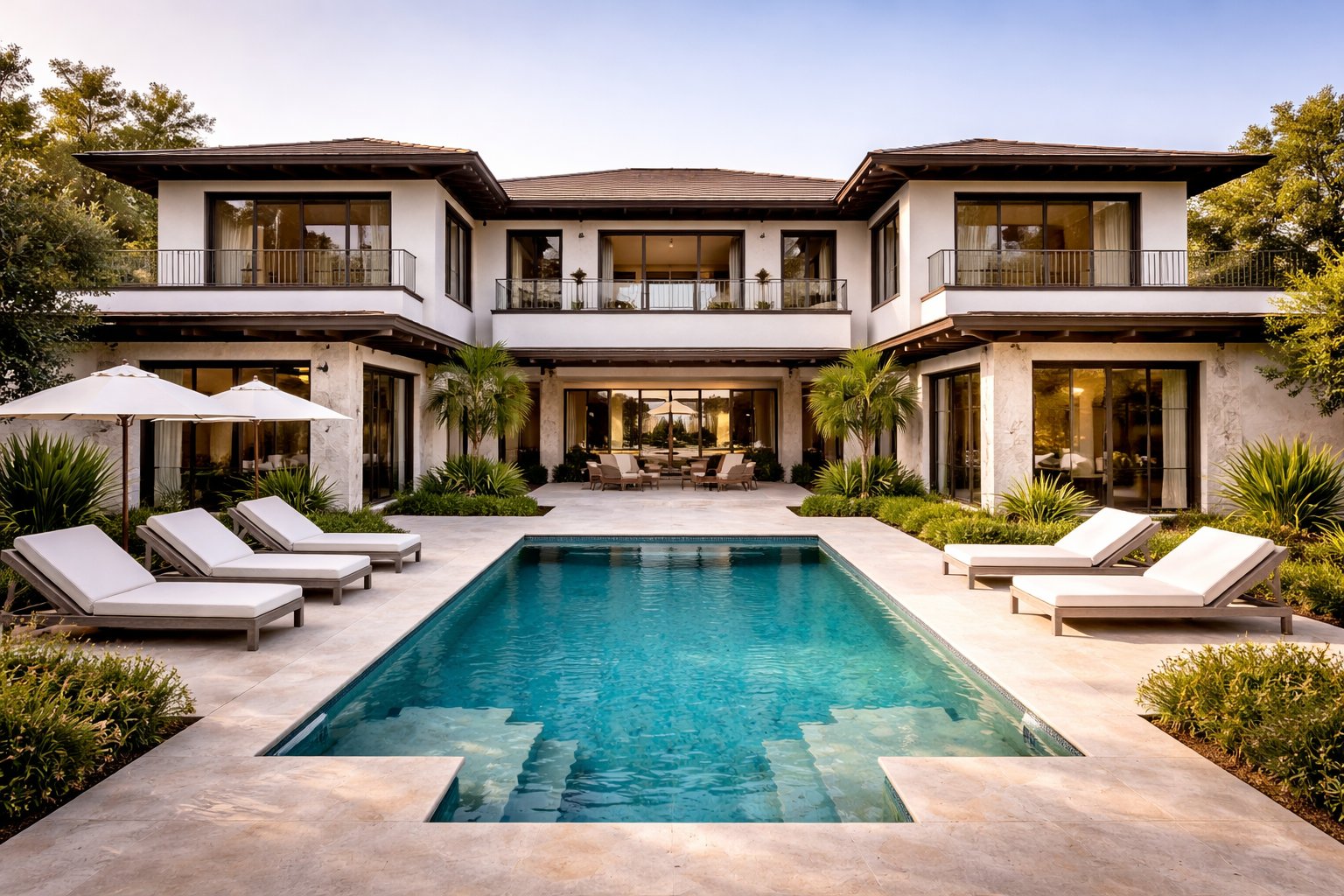
From luxury high-rises to thoughtfully scaled neighborhoods, our residential developments are designed to foster connection, comfort, and a sense of belonging.

  • Luxury condominium towers
  • Single-family neighborhoods
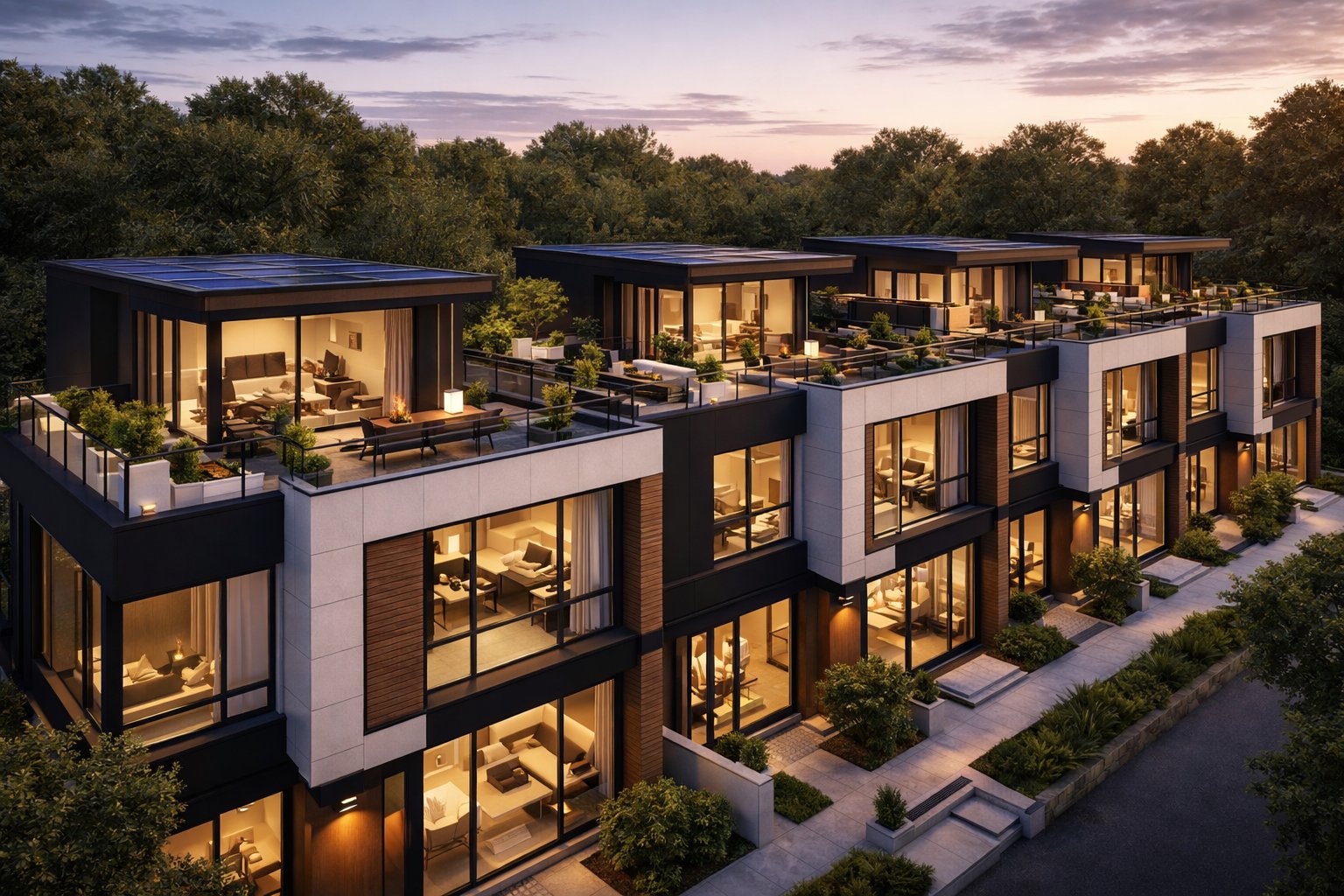
  • Townhome & villa communities
  • Active adult & 55+ communities
  • Affordable housing solutions
03
🏢
Commercial Real Estate

Class A office environments, innovative retail centers, and hospitality assets designed to perform — financially and experientially — for decades to come.

  • Class A office development
  • Lifestyle & destination retail
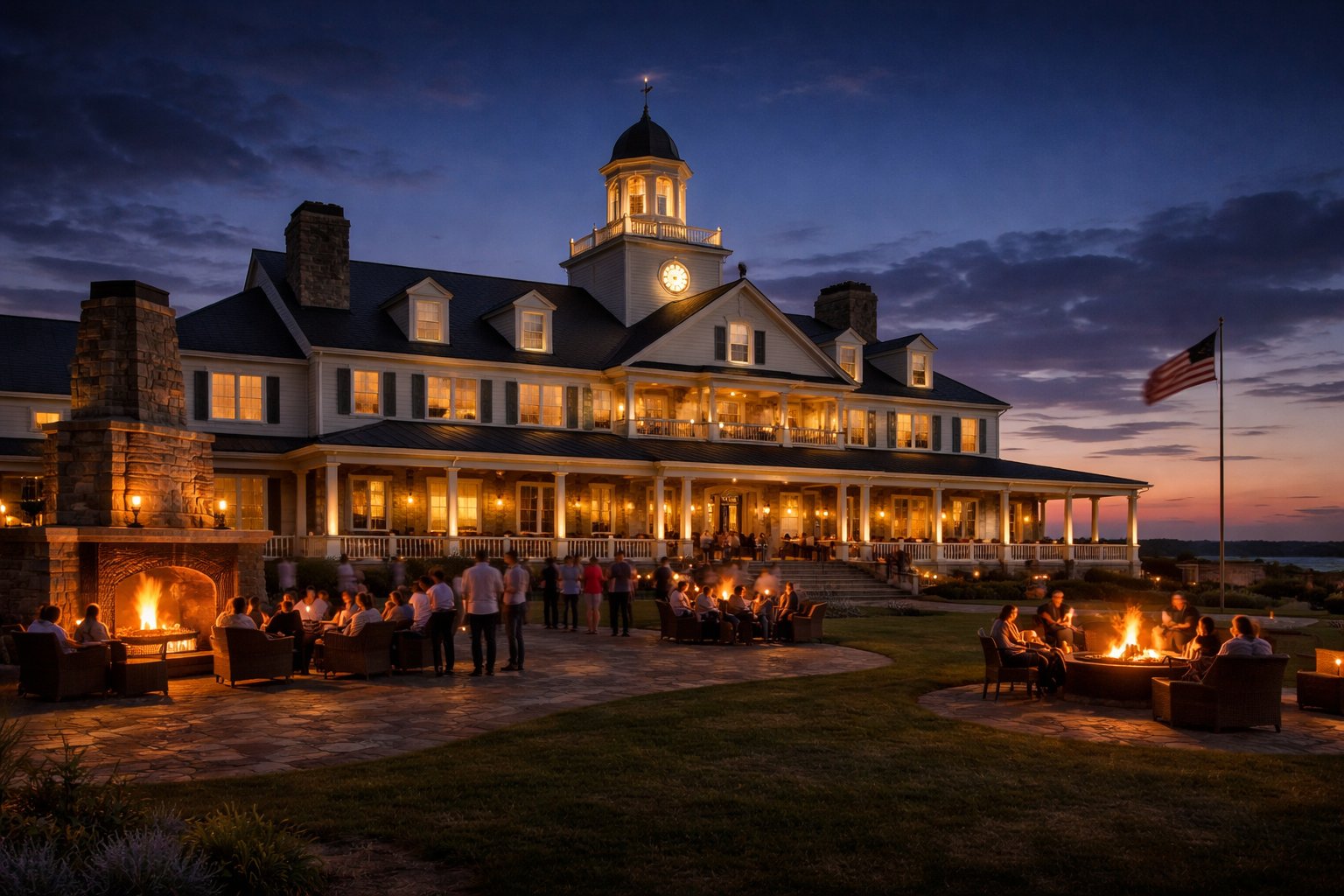
  • Hotel & resort properties
  • Medical & life sciences
  • Industrial & logistics
04
📐
Design & Architecture

Our in-house design studio partners with world-class architects and interior designers to produce spaces of lasting aesthetic and functional value.

  • Architectural concept & schematic
  • Interior design direction
  • Landscape & outdoor living
  • Amenity programming
  • Brand identity & signage
05
📊
Investment Advisory

We guide institutional and private capital through the full investment lifecycle — sourcing, underwriting, structuring, and managing real estate assets for superior risk-adjusted returns.

  • Acquisition & due diligence
  • Joint venture structuring
  • Fund management
  • Asset optimization
  • Exit strategy & disposition
06
🌿
Sustainable Development

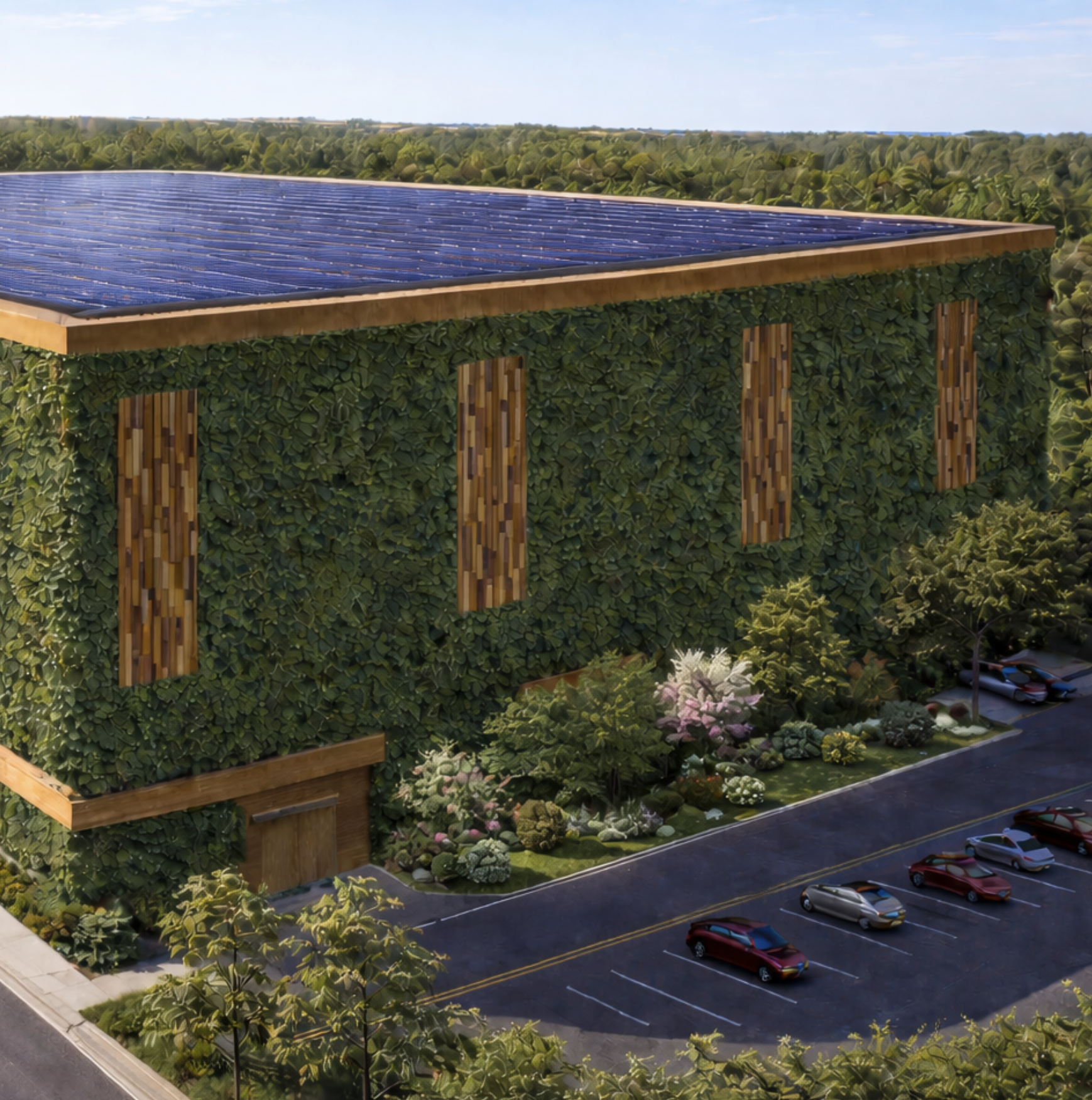
We integrate sustainability at every level — from site selection and material sourcing to energy systems and community resilience — because the best developments leave the world better than they found it.

  • LEED & BREEAM certification
  • Net-zero energy design
  • Green infrastructure
  • EV & clean mobility
  • Social impact programming
Our Portfolio

Landmark Developments

Each project in our pipeline reflects a deliberate choice - where we build, how we build, and who we build alongside - every design shaped by the character of its community. We concentrate on markets we know deeply, advance projects that align with regional growth patterns, and partner with institutional investors and operators who bring the same discipline and long-term perspective we do.

Featured
The Cedrus Residences
Villas · Flagship
The Cedrus Residences
Polo Preserve
Residential · Luxury
Polo Preserve
The Grove District
Mixed-Use · Urban
The Grove District
Harbor Point
Small Lot Residential
Harbor Point
The Meridian
Area Master Plan
The Meridian
New
Verdant Village
Architectural Design
Willowbend
How We Work

Our Development Process

A disciplined, collaborative approach that ensures every project is delivered with precision, integrity, and exceptional quality.

01
Vision & Strategy

We begin with a deep understanding of market dynamics, site conditions, and community needs to form a compelling development thesis and investment strategy.

02
Design & Planning

Our design team collaborates with world-class architects to develop a vision that balances aesthetic ambition with practical buildability and long-term value.

03
Execution & Build

With rigorous project management, we bring our designs to life — on time, on budget, and to the exacting standards that define the Cedrus name.

04
Delivery & Legacy

We hand over thriving, fully-activated communities — and remain invested in their ongoing success, management, and enduring legacy.

The Cedrus Difference

Why the World's
Best Choose Cedrus

01

Vertically Integrated Platform

From land acquisition to property management, our fully integrated platform eliminates friction and ensures seamless execution across every phase of development.

02

Institutional Capital Relationships

Our deep relationships with sovereign wealth funds, pension funds, and family offices enable us to capitalize projects efficiently and structure deals that create shared value.

03

Design-Led Philosophy

We believe that great design is not a luxury — it is a competitive advantage that drives absorption, premiums, and community pride for decades.

04

Track Record of Delivery

With $4.2B in completed and active development, our track record speaks for itself. Investors and partners return to us again and again because we deliver what we promise.

05

Community & ESG Commitment

We go beyond code to embed sustainability, affordability, and community investment into everything we build — because the best development enriches everyone around it.

Cedrus Excellence
ESG & Sustainability

Building a Better
World, Together

Cedrus Group is committed to integrating environmental, social, and governance principles into every decision we make. Our sustainability framework goes far beyond compliance — it is a core expression of who we are and how we operate.

We have pledged net-zero carbon across our portfolio by 2035, and we actively pursue green building technology, workforce housing, and community resilience programming in every market we operate.

🌱

Environmental

Net-zero commitment, green building standards, and biodiversity protection

🤝

Social

Affordable housing, local hiring programs, and community enrichment

⚖️

Governance

Transparent reporting, ethical sourcing, and stakeholder accountability

🔋

Innovation

Smart buildings, renewable energy, and cutting-edge construction methods

Sustainable Development
$4.2B
Projects in Development
Investment
Investment Platform

Superior Returns.
Trusted Partnership.

We structure every investment to tightly align our capital partners with the long-term success of each project and in the communities we operate. Through disciplined underwriting, conservative leverage, and deep operational execution, we consistently deliver risk-adjusted returns that outperform market benchmarks.

Whether you're an institutional investor, family office, or high-net-worth individual, Cedrus Group provides flexible access to our platform—from direct co-investments to fully managed discretionary vehicles—designed to meet your objectives with precision and transparency.

Disciplined Underwriting
Every deal is stress-tested against conservative assumptions. We pass on more deals than we pursue — because protecting capital is the foundation of building it.
Aligned Interests
Cedrus co-invests meaningfully in every project. When our partners win, we win. This alignment drives the operational excellence that defines every Cedrus development.
Transparent Reporting
Investors receive detailed quarterly reporting, real-time project dashboards, and direct access to our leadership team — because trust is built through clarity.
Explore Investment Opportunities
Projects Featured In
Market Insights

Ideas That
Shape the Industry

Perspectives from our team on the trends, strategies, and market forces shaping the future of real estate development.

20 Minute Neighborhood
Market Analysis
The Rise of the 20 Minute Neighborhood: Why Mixed-Use is the Future of Urban Living

As remote work reshapes commuting patterns and residents demand walkability, the 20 minute neighborhood model is becoming the defining paradigm for next-generation urban development...

March 2026 Read More →
Virginia Housing Shortage
Policy & Market Analysis
Virginia's Housing Crisis: What Happens by 2035 If Elected Officials Don't Act Now

Virginia faces a deficit of more than 200,000 homes — and if the General Assembly and local governments fail to act decisively, the consequences by 2035 will be severe, irreversible, and felt by every community in the Commonwealth...

February 2026 Read More →
Live Work Play Masterplan
Placemaking & Design
The Live/Work/Play Blueprint: How Masterplanning Transforms Quality of Life

When a neighborhood is designed as a complete ecosystem, not a collection of separate zones, residents don't just live better. They thrive. A deep dive into the science and strategy behind integrated masterplanning...

November 2025 Read More →

Ready to Build
Something Extraordinary?

Whether you're an investment partner, a municipality seeking a trusted development partner, or a landowner ready to unlock your property's potential, we'd love to hear from you.

Begin the Conversation
Get In Touch

Let's Create Something
Remarkable Together

We'd love to hear from you.

Whether you're interested in our developments, looking to partner on a project, or exploring investment opportunities, the Cedrus Group team is ready to connect.

📍
Headquarters
Washington, DC
📞
Phone
202-474-3349
Email
hello@thecedrusgroup.com
Policy & Market Analysis · Cedrus Group

Virginia's Housing Crisis: What Happens by 2035 If Elected Officials Don't Act Now

By the Cedrus Group Research Team  ·  February 2026  ·  10 min read

Virginia is running out of homes. Not gradually — urgently. Across the Commonwealth, from the dense inner suburbs of Northern Virginia to the growing corridors of Richmond and Hampton Roads, the gap between housing supply and household demand has become one of the most consequential policy failures of this generation. And if elected officials at the state and local level do not take meaningful, structural action within the next two to three years, the trajectory toward 2035 is not a warning — it is a forecast.

This is not a new problem. Virginia's housing shortage has been building for over a decade, accelerated by restrictive zoning, lengthy entitlement timelines, underinvestment in infrastructure, and a political culture that too often treats the protection of existing neighborhoods as more important than the creation of new ones. The result: a current deficit estimated at more than 200,000 housing units, with demand continuing to outpace supply in virtually every major market in the state.

"Virginia is not short on growth. It is short on the political will to build for it. And by 2035, that gap will cost the Commonwealth far more than any permitting fee or zoning variance ever saved."

The Numbers Don't Lie

According to the Virginia Department of Housing and Community Development's 2025 Housing Needs Assessment, the Commonwealth requires approximately 36,000 new housing units per year to keep pace with population growth and household formation. In 2024, the state permitted fewer than 22,000 units. That is a shortfall of more than 14,000 homes — in a single year. Compounded over the next decade, the deficit balloons toward 140,000 units or more, on top of the 200,000 already missing from the market.

Northern Virginia — the economic engine of the Commonwealth — is the epicenter of the crisis. Loudoun County, which added more than 40,000 residents between 2020 and 2025, permitted barely enough housing to accommodate one third of that growth. Fairfax County, home to some of the most valuable land in the Eastern United States, remains one of the most restrictively zoned jurisdictions in the region. Prince William County has seen median home prices rise 38% since 2020, pricing out teachers, nurses, firefighters, and the very workforce that sustains its communities.

Who Gets Hurt First

The immediate casualties of the housing shortage are the region's most economically vulnerable residents. When supply is constrained and demand is relentless, market rate rents rise first — and rise fastest at the bottom of the market. Working class families, essential workers, and young professionals trying to establish themselves are being systematically priced out of the communities they serve.

The Virginia Department of Labor reported in late 2025 that 31% of the state's service sector employers cited employee housing costs as a primary barrier to recruitment and retention. Hospitals across Northern Virginia are struggling to staff nursing positions because candidates cannot find housing within a reasonable commute. Fairfax County Public Schools — one of the largest school systems in the nation — has reported sustained difficulty recruiting teachers who can afford to live in the district where they work.

These are not abstract policy outcomes. They are the human cost of a housing market that has been allowed to fail by inaction.

The 2035 Scenario: If Nothing Changes

The projections for 2035 — absent meaningful intervention — are stark. Virginia's own Office of Economic Development forecasts that the Commonwealth will add approximately 600,000 new residents by 2035. If housing production rates do not increase substantially from current levels, the housing deficit by that year will exceed 350,000 units. To put that in context: that is larger than the entire current housing stock of the City of Alexandria, Arlington County, and Falls Church combined.

The economic consequences compound rapidly. When workers cannot afford to live where jobs are concentrated, employers face a structural labor shortage. When employers face a structural labor shortage, they relocate — or decline to expand in Virginia in the first place. Amazon Web Services, which has invested billions in Northern Virginia's data center corridor, has already begun directing incremental capacity investments to markets with more accommodating infrastructure and housing ecosystems. Other major employers are watching the same signals.

The fiscal consequences are equally severe. When the workforce that staffs Virginia's hospitals, schools, public safety agencies, and retail economy cannot afford to live in the communities they serve, those communities bear the cost — in longer commutes, higher turnover, reduced service quality, and the slow erosion of the civic fabric that makes a place livable.

"The question is not whether Virginia will pay for its housing shortage. The question is when — and how much."

What Elected Officials Must Do

The good news is that the solutions are well understood. The barrier is not knowledge — it is will. Virginia's General Assembly and its county and municipal governments have the tools to address this crisis. What is required is the political courage to use them.

Reform zoning at scale. Virginia's 2023 Housing Supply Accelerator legislation was a meaningful first step, but it has been implemented unevenly and resisted at the local level in many jurisdictions. A mandatory by right zoning framework for missing middle housing — duplexes, townhomes, small multifamily — within walking distance of transit and employment centers must be established statewide and enforced, not offered as an option for localities to ignore.

Streamline entitlements. The average entitlement timeline for a multifamily project in Northern Virginia is 18 to 36 months. In peer markets that are successfully growing their housing supply — Raleigh, Charlotte, Nashville, Phoenix — the same process takes 6 to 12 months. Every month of delay is a cost passed directly to the housing consumer. The General Assembly must establish enforceable timelines for local permitting decisions and impose consequences for jurisdictions that consistently exceed them.

Fund infrastructure proactively. One of the most common objections to new housing is the cost of the roads, schools, and utilities required to serve it. This is a legitimate concern — but it is a problem that can be solved through proactive infrastructure investment, not by preventing housing from being built. Virginia must create a dedicated housing infrastructure fund, capitalized through a combination of state appropriations and developer contributions, to unlock development ready land in high demand corridors.

Protect and expand affordable housing. Market rate development alone will not solve the affordability crisis for Virginia's lowest income households. The state must increase its investment in the Housing Trust Fund, expand Low Income Housing Tax Credit allocations, and require localities that receive state housing infrastructure funding to include meaningful affordable components in their development approvals.

The Role of the Private Sector

Government cannot build its way out of this crisis alone. The private development community — capital, operators, and builders who understand how to create great places efficiently — must be a full partner in the solution. That means advocating loudly for policy reform, not waiting passively for it. It means building at scale in the markets where the need is greatest, not retreating to the path of least resistance. And it means being willing to develop the kinds of housing — affordable workforce units, missing middle product, mixed-income communities — that the market has historically underinvested in.

At Cedrus Group, we have organized our development platform around exactly this challenge. Every project we advance is conceived as a contribution to the housing supply of the communities where we operate — not just a return vehicle for our capital partners. We believe that the most durable real estate investments are the ones that solve real problems for real people. And there is no more real problem in Virginia today than the shortage of homes.

The Window Is Closing

The decisions made by Virginia's elected officials over the next 24 to 36 months will determine the shape of the Commonwealth's housing market for a generation. The political economy of housing reform is difficult — existing homeowners benefit from scarcity, and they vote at higher rates than the young families being priced out of the market. But the math of inaction is now undeniable, and the consequences of another decade of delay are no longer hypothetical.

Virginia has the resources, the talent, and the growth trajectory to build a housing market that works for everyone. What it needs is elected officials willing to prioritize the future over the present — and a private sector willing to build it alongside them.

The clock is running.

Placemaking & Design · Cedrus Group

The Live/Work/Play Blueprint: How Masterplanning Transforms Quality of Life

By the Cedrus Group Research Team  ·  November 2025  ·  10 min read

There is a reason some neighborhoods feel alive and others feel like obligation. Some places pull you out of your door in the evening — to grab a coffee, take a walk, run into a neighbor — while others keep you locked inside, dependent on a car for every errand and starved of spontaneous connection. The difference is rarely accidental. It is almost always the product of intentional masterplanning.

At Cedrus Group, we believe that the most important question in real estate development is not "What can we build?" but "What kind of life does this place make possible?" The answer begins with a discipline that has been practiced by great city builders for centuries and is being rediscovered with new urgency today: the integrated live/work/play masterplan.

What Is a Live/Work/Play Masterplan?

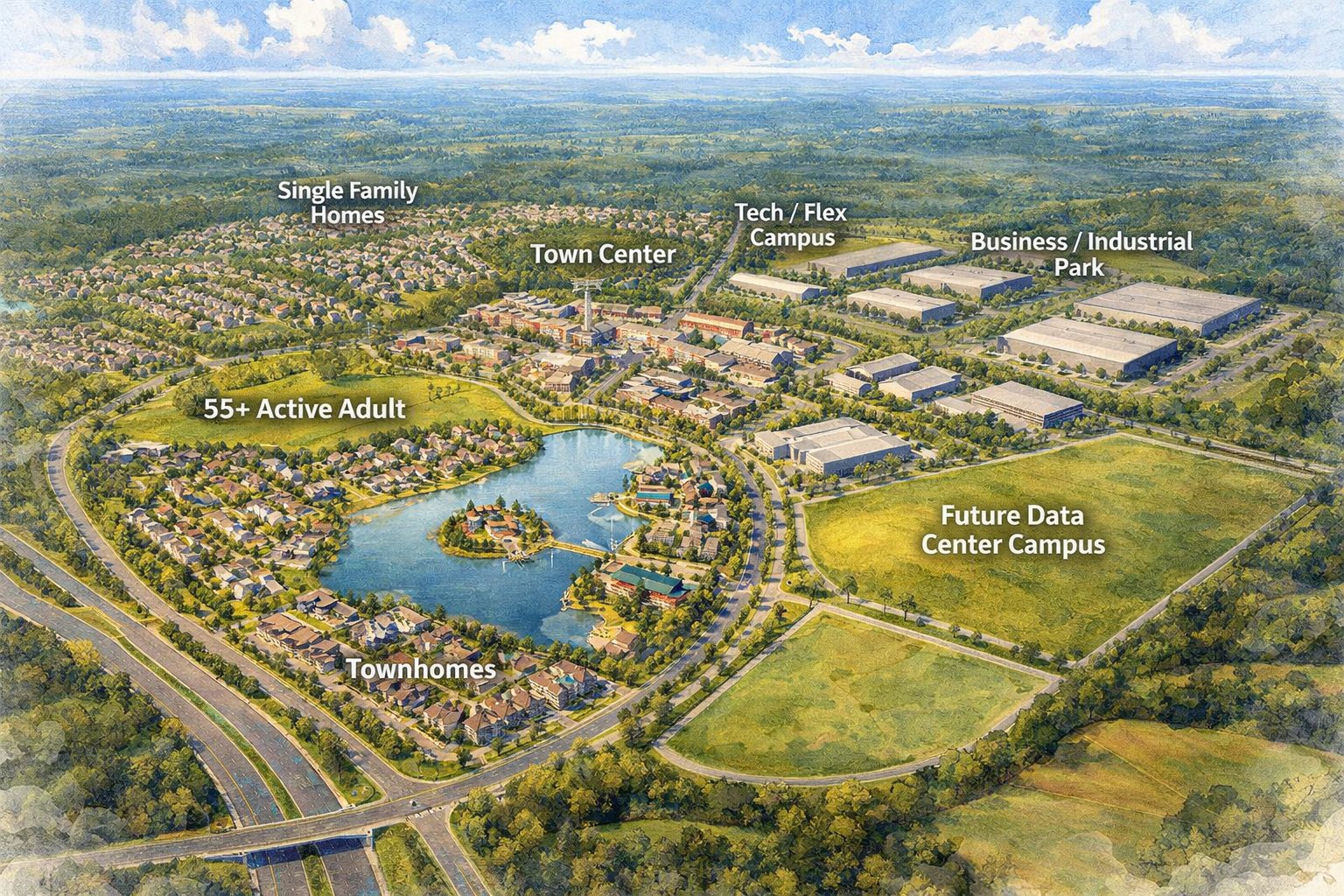
A masterplan is more than a site plan. It is a framework for how an entire community functions — how people move, interact, earn, relax, and belong. A live/work/play masterplan specifically sets out to integrate three dimensions of daily life that conventional zoning spent much of the twentieth century pulling apart.

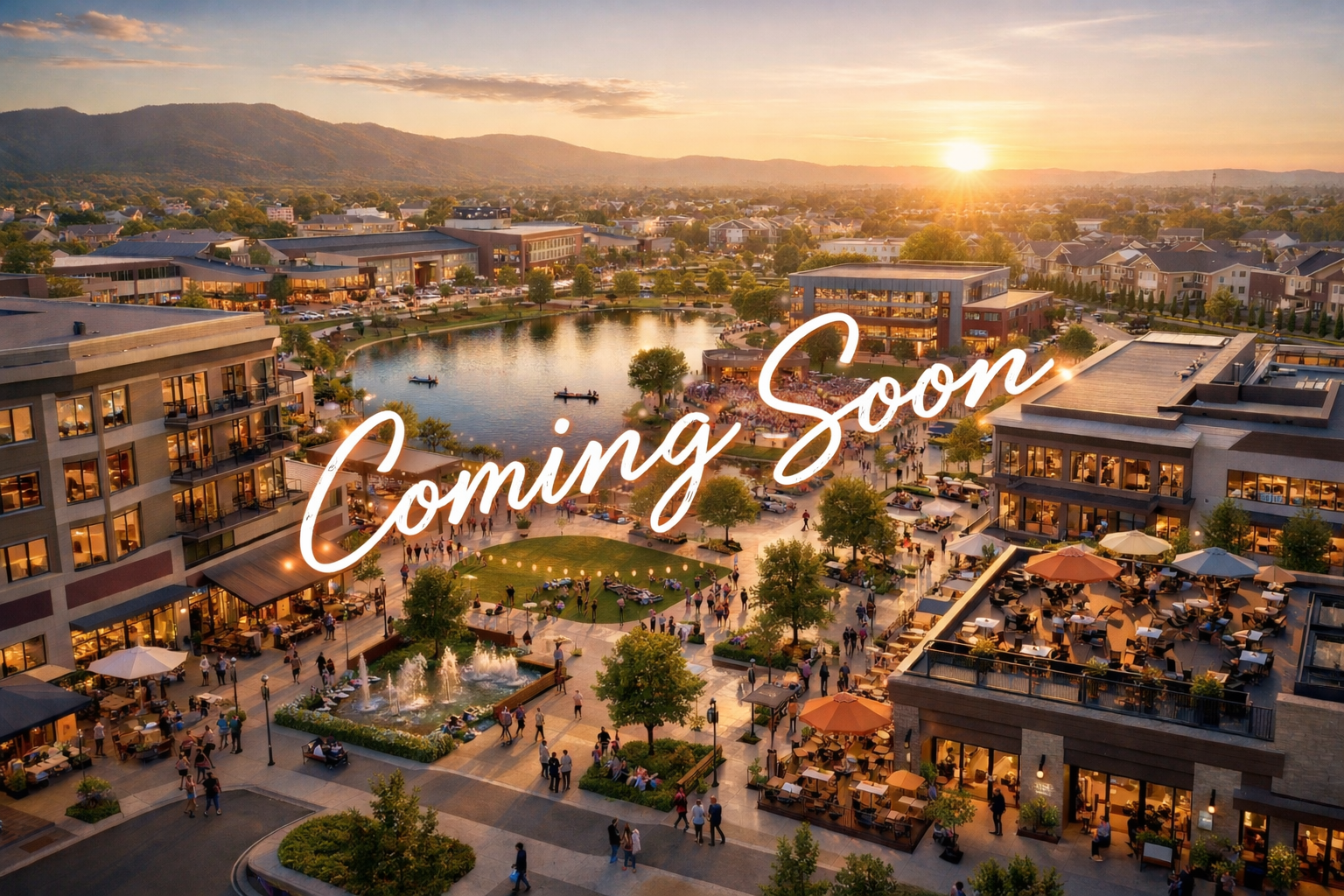
Live refers to the full spectrum of residential life: not just housing units, but the spaces, rhythms, and social conditions that make a home feel embedded in something larger than itself. Work encompasses the professional and economic ecosystem — office space, maker studios, retail incubators, coworking environments — that allow residents to build careers and businesses within their own community. Play captures everything that makes life worth living beyond the functional: parks, plazas, restaurants, cultural venues, fitness facilities, event spaces, and the unplanned moments of discovery that a well designed public realm generates every single day.

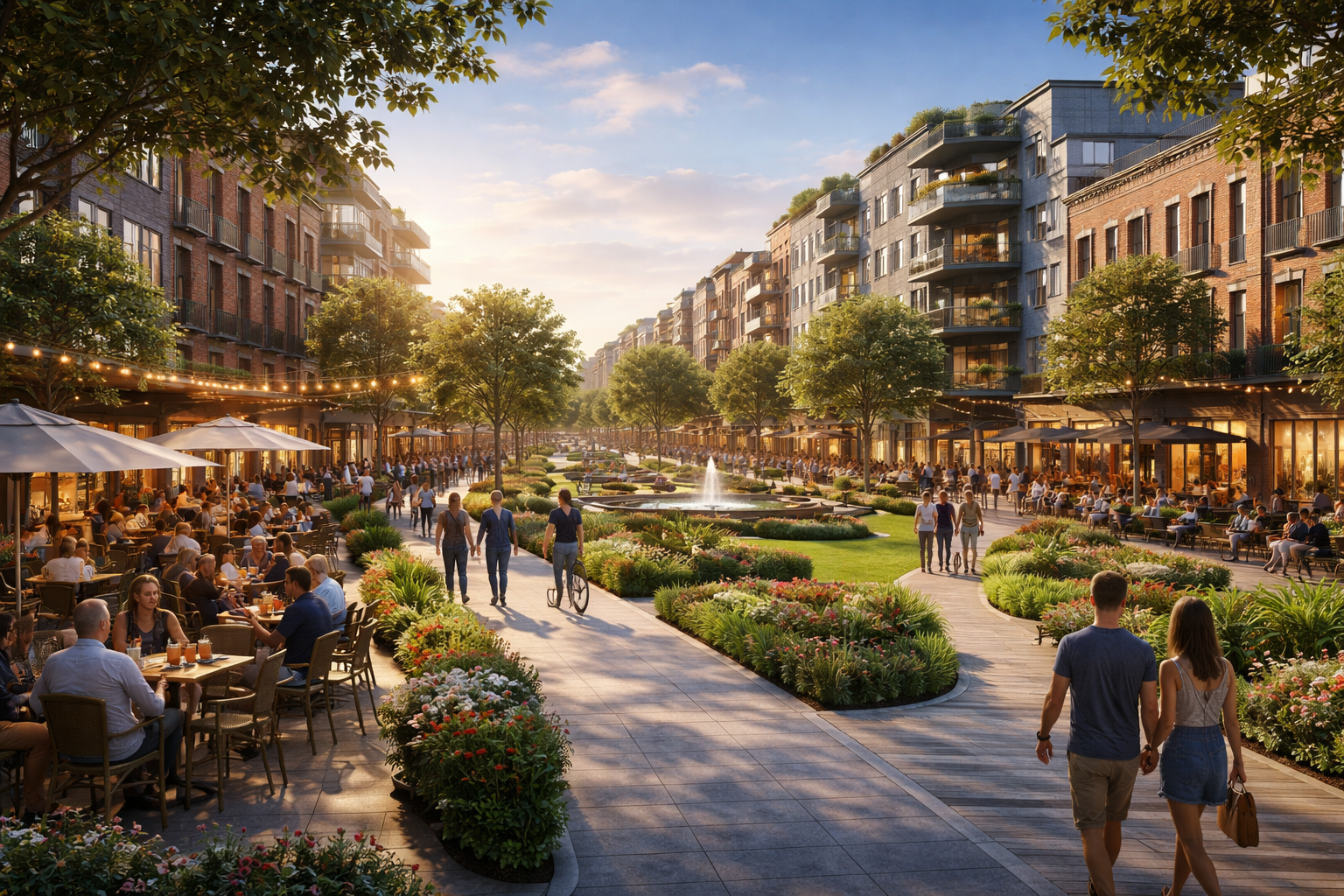
The magic happens when these three layers are not merely adjacent, but interwoven. When the coffee shop is also where you take your first client meeting. When the park trail is also your commute. When the farmer's market is how you meet your neighbors. This is what great masterplanning makes possible — and the evidence that it works is everywhere.

The Research Is Unambiguous

For decades, urban planners and public health researchers have documented the relationship between neighborhood design and resident wellbeing. The findings converge on a consistent conclusion: people who live in walkable, mixed-use environments are healthier, happier, more socially connected, and more economically resilient than those who do not.

A landmark study published in the American Journal of Public Health found that residents of walkable neighborhoods had significantly lower rates of obesity, cardiovascular disease, and depression than residents of car-dependent communities with equivalent income levels. The mechanism is both physical (more walking, more incidental exercise) and psychological: walkable environments create what researchers call "third places" — spaces that are neither home nor work — where social bonds form organically and community identity takes root.

The Harvard T.H. Chan School of Public Health's longstanding research on social capital has similarly found that neighborhood design is one of the strongest predictors of the quality of relationships residents form. Cul de sacs and garage forward housing designs actively suppress neighbor interaction. Activated streets, front stoops, shared courtyards, and ground floor retail do the opposite — they manufacture the casual collisions that, over time, become friendships and community.

Perhaps most striking is data on children. Studies consistently show that children who grow up in walkable, mixed-use environments demonstrate higher rates of physical activity, stronger social development, greater independence, and better academic outcomes than peers raised in environments requiring car transportation for every activity. The neighborhood, in other words, is an educational institution in its own right — and masterplanners are its architects.

The Five Principles of a Great Live/Work/Play Masterplan

Through our work across the Mid-Atlantic region, Cedrus Group has developed a framework for what distinguishes a truly transformative masterplan from one that merely checks boxes. These five principles inform every project we undertake.

1. Density with Breathing Room. Counterintuitive as it may seem, density is a precondition for vitality. You cannot have a thriving coffee shop, a neighborhood market, or a lively plaza without enough residents within walking distance to sustain them. But density alone produces claustrophobia, not community. The masterplanner's art is achieving the density necessary to activate street life while embedding generous green space, courtyards, and natural corridors that give residents room to exhale. We target what urban economist Ed Glaeser calls "productive density" — enough people to make things happen, enough space to make life pleasant.

2. Retail That Serves, Not Just Sells. Ground floor retail is the nervous system of a live/work/play community. Executed well, it animates sidewalks, creates employment, and generates the serendipitous encounters that build social fabric. Executed poorly — with national chains that close at 8pm and activate no community identity — it can make streets feel emptier than no retail at all. We prioritize independent operators, local anchors, and mixed-use ground floors that blend service retail, food and beverage, and cultural programming to create destinations that draw people out at every hour of the day.

3. The Mobility Ecosystem. A community is only as livable as the options it offers for getting around. Live/work/play masterplanning means designing for multiple modes simultaneously: pedestrian paths wide enough for families, protected cycling infrastructure, transit connections where available, and — critically — parking that is present but not dominant. When parking is pushed to structured facilities at the periphery and removed from the visual field of streets and plazas, the quality of public space improves dramatically. People take over the spaces cars vacate, and what was asphalt becomes life.

4. Programming as Infrastructure. The best designed public spaces fail without activation. Farmers markets, outdoor concerts, food truck gatherings, fitness classes, art installations, holiday markets — these are not amenities. They are infrastructure. They give residents reasons to leave their homes, contexts for meeting neighbors, and a shared calendar of community life that creates belonging. We build programming partnerships into our development agreements and budget for community activation from day one, treating it as seriously as we treat mechanical systems or landscape design.

5. Affordability Across the Life Cycle. A community that displaces its teachers, nurses, and service workers — the very people who animate its retail, schools, and civic life — is one that has designed itself toward fragility. Sustainable masterplanning requires a genuine mix of housing types and price points, so that a community can retain its essential workforce, welcome multigenerational households, and build the economic diversity that makes neighborhoods resilient to market cycles. Homogeneous luxury development produces enclaves, not communities. We are in the business of communities.

What Residents Actually Say

Data and theory are necessary but not sufficient. What ultimately validates the live/work/play approach is the testimony of people who live it. In resident satisfaction surveys conducted across mixed-use masterplanned communities in the Mid-Atlantic, a few themes emerge with striking consistency.

Residents consistently report that the most valuable thing about their community is not a specific amenity but rather the feeling that "everything I need is here." The ability to walk to the gym, buy groceries, take the kids to school, grab dinner, and occasionally see a show — without entering a car — registers as profoundly genuinely life improving in ways that are hard to quantify but impossible to miss once experienced.

A second theme is the unexpected depth of social connection. Many residents arrive expecting to be urban transients — temporary occupants of a well located apartment — and find instead that they have stumbled into something closer to a village. The regularity of running into neighbors at the coffee shop, the farmers market, and the playground creates a web of weak ties that, as sociologist Mark Granovetter famously observed, are among the most valuable social assets a person can have: sources of job leads, emotional support, and community identity that strengthen over time.

A third, and perhaps most practically significant, is the financial dimension. Residents in walkable, mixed-use communities consistently report spending significantly less on transportation than they did in car-dependent environments — in many cases saving $8,000 to $15,000 per year once car ownership, maintenance, insurance, and fuel are factored in. This savings substantially offsets any premium in housing costs, making truly walkable communities more financially accessible than a simple rent comparison suggests.

The Developer's Perspective: Why Integration Creates Value

The live/work/play model is not only good for residents. It is also superior from a financial underwriting perspective — a fact that still surprises some investors encountering it for the first time.

Integrated mixed-use assets are fundamentally more resilient than single use ones. When office markets soften, active retail and residential uses sustain foot traffic and property value. When residential markets cool, commercial and retail income streams provide ballast. Diversification across use types within a single masterplan functions like a portfolio hedge — without requiring an investor to own assets in multiple markets.

Beyond resilience, mixed-use masterplans generate what economists call positive externalities: the proximity of complementary uses increases the value of each individual component beyond what it would achieve in isolation. The restaurant benefits from the office workers at lunch and the residents at dinner. The fitness studio benefits from the density of households within walking distance. The park increases the value of every unit with a view of it. These feedback loops, when properly structured into a masterplan, produce what we call community premium — a sustained elevation of asset values that compounds over time and rewards long-term holders.

This is why the strongest long-term performers in the institutional real estate space are increasingly live/work/play mixed-use communities. They are not just more pleasant to live in. They are more durable stores of value.

The Cedrus Approach

Every project we develop at Cedrus Group begins with a masterplanning exercise, regardless of scale. Even a single mixed-use building is designed as a neighborhood in miniature — with attention to how its ground floor activation will engage the street, how its residential amenities will build community among its residents, and how its commercial spaces will contribute to the economic fabric of the surrounding area.

For larger scale projects, we engage in deep community and market analysis before pencil touches paper. We ask what is missing in the fabric of the surrounding area — what uses would make the lives of existing residents better, not just attract new ones. We model pedestrian flow, sunlight, wind patterns, and noise before finalizing building placement. We think about what the community will look and feel like at 7am, at noon, at 6pm, and at 10pm on a Saturday — because a great neighborhood belongs to every hour of the day.

This is a slower, more demanding process than conventional development. It requires more upfront investment in planning, more collaboration with municipalities and communities, and more willingness to accept constraints that protect the long-term character of a place. We believe it is the only way to build something that endures.

The places that people talk about for generations — that become anchors of civic identity, that hold their value through economic cycles, that make their cities proud — are almost always the products of exactly this kind of thinking. They were designed not just to be built, but to be lived in. That distinction, we believe, is everything.
Market Analysis · Cedrus Group

The Rise of the 20 Minute Neighborhood: Why Mixed-Use is the Future of Urban Living

By the Cedrus Group Research Team  ·  March 2026  ·  8 min read

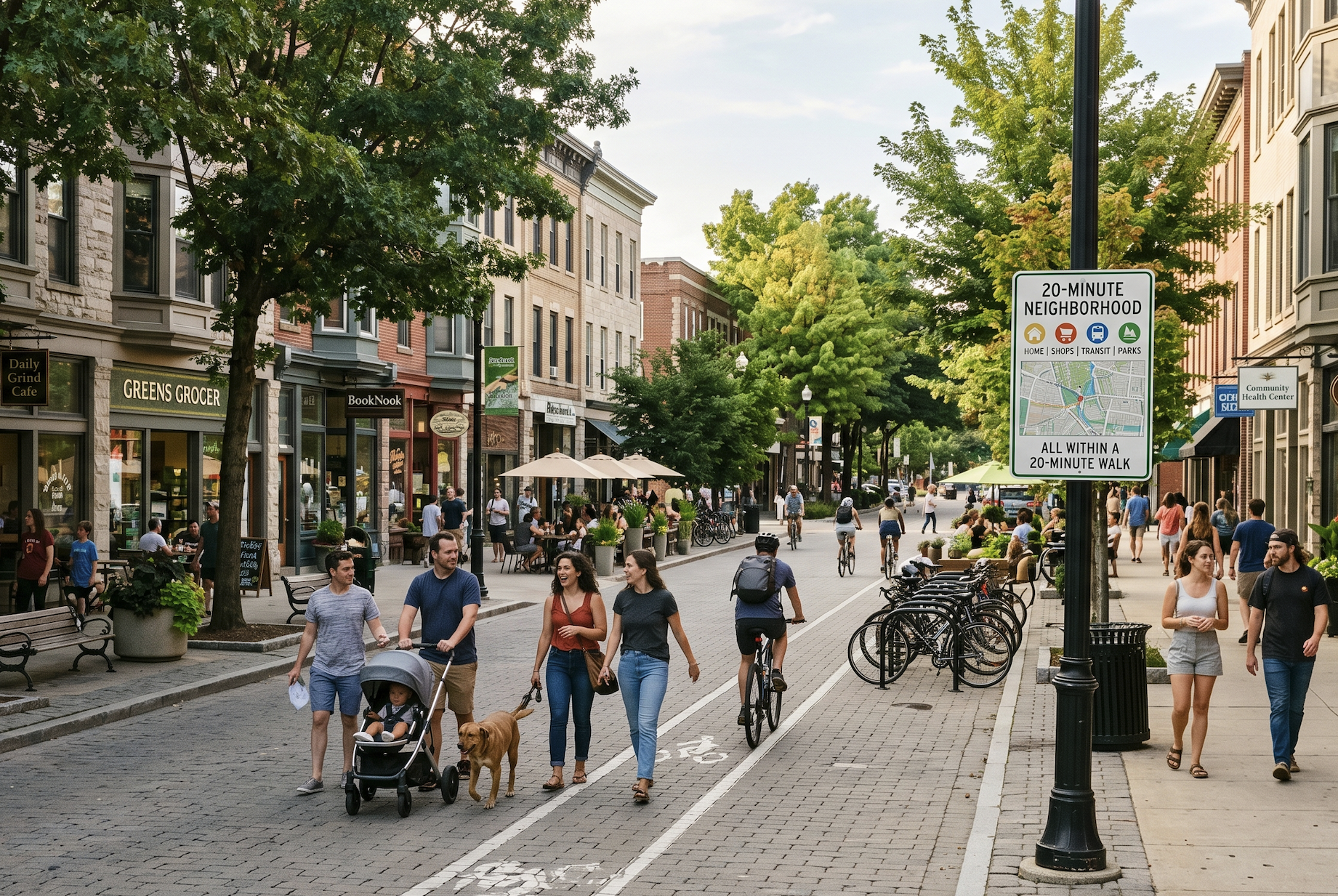
The way people relate to their cities is changing. In the wake of a global shift toward remote and hybrid work, residents are no longer organizing their lives around commutes — they are organizing them around proximity. The places they shop, eat, exercise, work, and gather are now expected to exist within walking or cycling distance of home. This is the 20 minute neighborhood: a place where the full fabric of daily life is woven into a single, cohesive environment.

For real estate developers, this shift is not a trend to monitor from the sidelines. It is an inflection point — and those who understand it deeply will define the next generation of urban development.

"The 20 minute neighborhood isn't a design concept. It's a response to how people actually want to live — and it's becoming the standard by which all new development will be judged."

The Data Behind the Demand

After the pandemic migration patterns tell a clear story. Sun Belt metros — Nashville, Raleigh, Austin, Charlotte, and the Northern Virginia corridor — have absorbed hundreds of thousands of new residents since 2020, many of them remote workers or hybrid professionals who chose where to live before choosing where to work. What they sought was not just affordable square footage. They sought amenity rich, walkable environments that offered urban energy without the density burden of legacy gateway cities.

According to the Urban Land Institute's 2025 Emerging Trends report, walkability now ranks as the #1 driver of residential purchasing decisions among buyers under 45. That same cohort — the largest demographic wave of homebuyers in U.S. history — places "access to dining, retail, and green space within walking distance" above school district quality, commute time, and even home size when evaluating where to put down roots.

This is not a niche preference. It is the dominant consumer mandate shaping residential real estate for the next two decades.

Why Mixed-Use is the Only Rational Response

The 20 minute neighborhood cannot be built through residential development alone. Achieving it requires the deliberate integration of uses — ground floor retail and dining, Class A office space, civic amenities, green infrastructure, and residential density — within a single masterplanned environment. This is the definition of mixed-use development, and it is exactly why the asset class is outperforming every other category in the development landscape.

Mixed-use projects completed between 2020 and 2025 in high growth secondary markets have achieved lease up velocities 34% faster than comparable single use residential projects, according to CBRE's 2025 Mixed-Use Development Report. Average residential premiums in mixed-use environments range from 12% to 28% above comparable product in purely residential neighborhoods. Retail tenants in well curated mixed-use settings report foot traffic levels 2.1x higher than standalone strip retail — driven by the captive residential population living and working directly above or adjacent.

The economics are compelling. The lifestyle proposition is undeniable. And the supply side has yet to catch up with demand.

The Role of Green Space and Sustainability

The most successful 20 minute neighborhoods are not just compact — they are livable. Green space, biophilic design, and sustainable infrastructure are no longer differentiators; they are table stakes. Residents in 2026 expect their communities to reflect environmental values. They want EV charging at their parking structure, solar on their building's roof, native planting along their walking paths, and public gathering spaces that prioritize human connection over vehicular throughput.

Developments that integrate ESG principles from the ground up — not as afterthoughts, but as core design drivers — are consistently outperforming the market on both absorption and long-term value retention. LEED certified mixed-use projects command an average 9.4% rent premium and experience significantly lower vacancy rates over a 10-year hold period, according to the Green Building Council's 2024 Commercial Value Study.

For Cedrus Group, sustainability is not a marketing position. It is a development philosophy that we believe generates superior risk-adjusted returns precisely because it aligns with where consumer preferences, municipal incentives, and institutional capital are all headed simultaneously.

Municipal Tailwinds

City and county governments across the United States are actively rewiring their zoning frameworks to incentivize exactly this kind of development. From form based codes that eliminate use segregation to density bonuses for affordable and mixed-income components, the regulatory environment has never been more favorable for mixed-use developers with the capability to execute complex, multiphase projects.

Virginia, in particular, has emerged as a bellwether. The Commonwealth's 2023 Housing Supply Accelerator legislation and a series of county level zoning overhauls in Fairfax, Loudoun, and Prince William have opened corridors that were previously unavailable for mixed-use development at meaningful scale. For developers already positioned in these markets — with land control, entitlement relationships, and community trust — the opportunity is exceptional.

What This Means for Capital Allocation

Institutional investors have taken notice. Sovereign wealth funds, pension plans, and major real estate private equity platforms are allocating an increasing share of their real estate exposure toward mixed-use and masterplanned communities in secondary growth markets. The thesis is straightforward: demographic tailwinds + supply constraints + lifestyle driven demand = durable cash flow and appreciation.

The risk profile of well underwritten mixed-use development has also shifted. When residential, retail, and office components are thoughtfully integrated — with the residential component providing a stable, long-term income anchor — the portfolio behaves more like a diversified asset than a single use bet. Vacancy in one component is cushioned by the performance of others. This structural resilience is increasingly valued in an environment of interest rate volatility and macroeconomic uncertainty.

"The developers who will win the next decade are those building communities, not just buildings — places that people choose because of everything around them, not just the four walls they sleep in."

The Cedrus Perspective

At Cedrus Group, our conviction in the 20 minute neighborhood model predates its current popularity. For over two decades, we have been advancing a vision of development that treats community as the product — not just the housing unit, the retail bay, or the office floor plate. Every project in our pipeline is conceived as a complete environment: a place where a resident can wake up, walk to coffee, take a meeting, find green space for a midday walk, and return home having never needed a car.

We believe this is not just the most commercially compelling model available to developers today. It is the most responsible one. Cities thrive when their neighborhoods are complete. Communities are healthiest when daily life happens at a human scale. And real estate holds its value longest when it is woven into the fabric of how people actually want to live.

The 20 minute neighborhood is not the future of urban living. For those paying attention, it is already the present.